Fire Damage Prevention Tips for North Texas Homes
North Texas is beautiful — but it's also one of the most fire-prone regions in the country. Dry heat, high winds, drought conditions, and aging home infrastructure create a combination that can turn a small spark into a serious loss fast. Whether you're proactively protecting your home or you've already experienced fire damage, Southern Recon is North Texas's trusted restoration expert. This guide walks you through the region-specific risks, a room-by-room prevention checklist, and exactly what to do if the worst happens.

Why North Texas Homes Face Unique Fire Risk
North Texas homeowners face a combination of fire risk factors that most other regions simply don't deal with simultaneously:
- Extreme heat and drought — prolonged dry spells turn grass, brush, and landscaping into fuel
- High winds — North Texas wind events can spread embers and flames faster than fire departments can respond
- Wildland-urban interface — many North Texas communities sit where residential neighborhoods meet open land, increasing wildfire exposure
- Aging electrical systems — older homes throughout the DFW and surrounding areas often have outdated wiring that raises fire risk significantly
- Seasonal severity — late summer and fall bring peak fire conditions when heat and drought combine with dry vegetation
Understanding these regional factors is the first step toward protecting your home and family.
The Most Common Causes of House Fires in North Texas
Knowing what starts fires is the fastest way to prevent them. These are the leading causes of residential fires across North Texas:
| Cause | What Happens |
|---|---|
| Cooking fires | The #1 cause of home fires nationwide — unattended stovetops and grease buildup are the biggest culprits |
| Electrical failures | Faulty wiring, overloaded circuits, and aging panels are especially common in older North TX homes |
| Heating equipment | Space heaters placed too close to flammable materials cause hundreds of fires annually |
| Dryer lint buildup | Clogged dryer vents are a leading — and entirely preventable — cause of home fires |
| Outdoor burning | Burn bans are common in North Texas for good reason — outdoor fires escape containment faster in dry, windy conditions |
| Candles and open flames | Left unattended, these are a consistent fire starter especially in windy conditions with open windows |
Room-by-Room Fire Prevention Checklist for Texas Homeowners
Use this checklist to do a full walkthrough of your home:
Kitchen
- Never leave the stovetop unattended while cooking
- Clean grease buildup from stovetop, hood, and oven regularly
- Keep a fire extinguisher within reach and know how to use it
- Store flammable materials away from heat sources
Bedrooms & Living Areas
- Test smoke detectors monthly and replace batteries annually
- Never leave candles burning in an empty room
- Avoid overloading power strips and extension cords
- Keep space heaters at least 3 feet from furniture, bedding, and curtains
Laundry Room
- Clean your dryer lint trap after every single load
- Have your dryer vent professionally cleaned once a year
- Never run the dryer while sleeping or away from home
Electrical
- Schedule an inspection if your home is 20+ years old
- Replace any outlets that spark, feel warm, or show discoloration
- Upgrade to AFCI breakers if your panel is outdated
Garage & Storage
- Store gasoline, propane, and flammables in approved containers away from heat
- Keep the garage clear of clutter that could fuel a fire
- Never run vehicles or gas-powered equipment in an enclosed garage
Outdoor Fire Hazards North Texas Homeowners Often Overlook
The inside of your home isn't the only thing at risk. North Texas outdoor conditions create fire hazards that homeowners frequently underestimate:
- Dry brush and overgrown vegetation — maintain a defensible space of at least 30 feet around your home by clearing dead plants, leaves, and dry grass
- Grills and fire pits — never grill within 10 feet of your home or deck. Clean grease traps regularly and never leave an open flame unattended
- Propane and fuel storage — tanks should be stored upright, outdoors, away from direct sunlight and ignition sources
- Wood piles — keep firewood stacked at least 30 feet from your home and away from fences
- Burn ban violations — always check North Texas burn ban status before any outdoor burning. Fines are steep and the risk is real
- Roof and gutter debris — dry leaves and debris in gutters can ignite from embers carried by wind. Clean gutters every season
What to Do Immediately After a Fire in Your North Texas Home
If a fire has affected your home, the actions you take in the first hours matter enormously. Here's what to do:
- Get everyone out and call 911 — do not re-enter the property until cleared by fire officials
- Contact your insurance provider — report the claim as soon as possible and document everything
- Photograph and video all damage — before any cleanup begins, capture the full scope of damage for your claim
- Do not attempt DIY cleanup — fire damage involves smoke, soot, and structural risk that require professional assessment
- Call Southern Recon immediately — the faster restoration begins, the more of your home and belongings can be saved. Smoke and soot damage compounds within hours
- Secure the property — board windows and doors to prevent further weather or vandalism damage while restoration is underway
How Fire Damage Restoration Works — And Why Speed Matters
Fire damage doesn't stop when the flames go out. Smoke and soot continue to damage surfaces, materials, and air quality for days after a fire — which is why speed is the single most important factor in fire damage restoration.
Here's what professional fire damage restoration involves:
| Phase | What Happens |
|---|---|
| Emergency Assessment | Structural safety is evaluated and the scope of damage is documented |
| Board-Up & Securing | Property is secured against weather and unauthorized entry |
| Smoke & Soot Removal | Specialized equipment removes smoke residue from surfaces, walls, and HVAC systems |
| Water & Fire Damage Drying | Water from firefighting efforts is extracted and dried to prevent mold |
| Odor Elimination | Industrial deodorization removes smoke odor from structure and contents |
| Structural Restoration | Damaged materials are repaired or replaced to return the home to pre-loss condition |
Southern Recon: North Texas Fire Damage Restoration You Can Trust
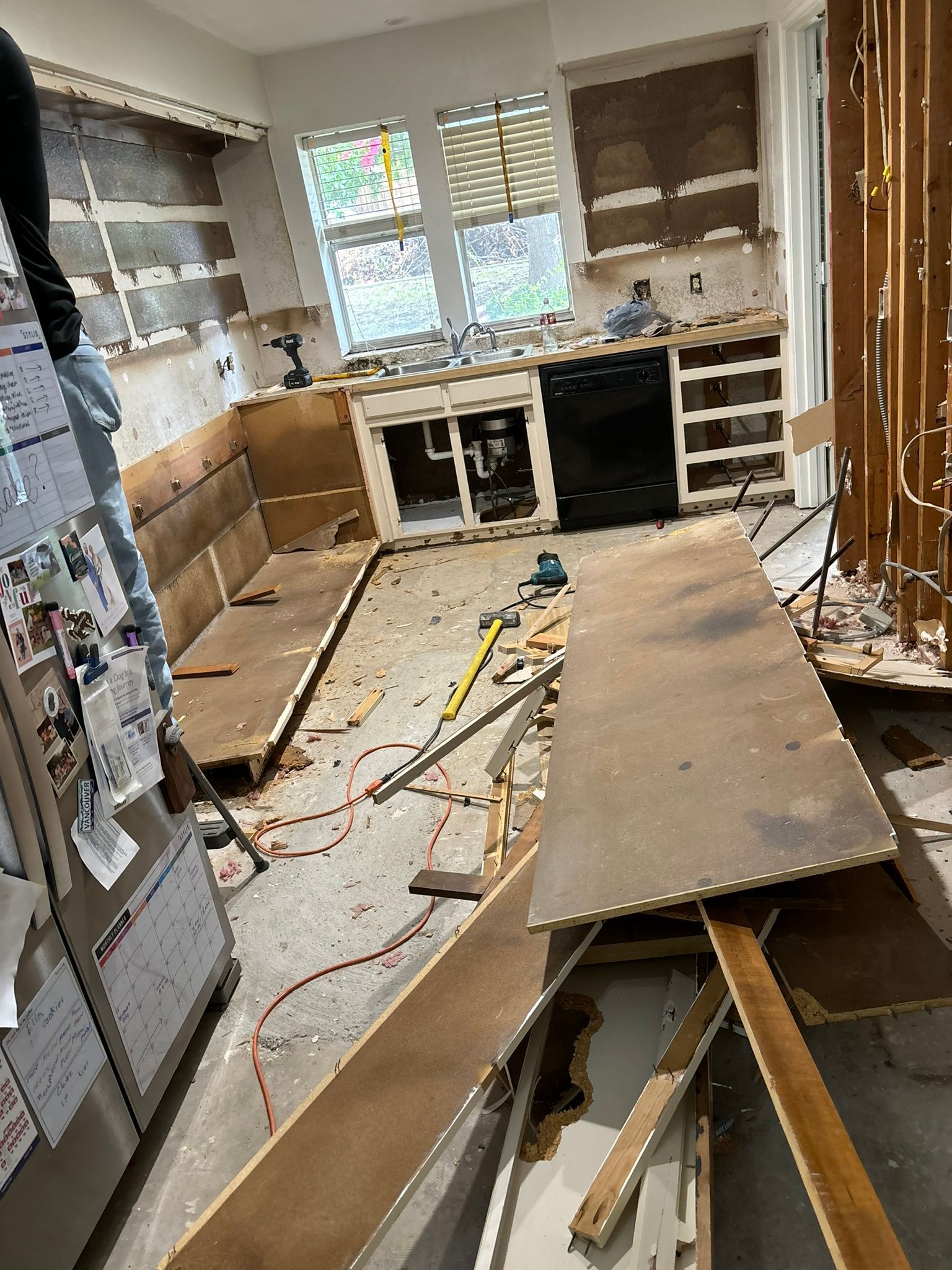
When fire damage hits a North Texas home, the response needs to be fast, professional, and local. Southern Recon knows North Texas homes, North Texas weather, and the urgency that comes with fire and storm damage restoration. We work directly with insurance companies, respond quickly, and stay with you from first assessment to full restoration.
You don't have to figure this out alone.
Recent Posts

Work With the Top Remodeling Contractors in Alvarado, TX
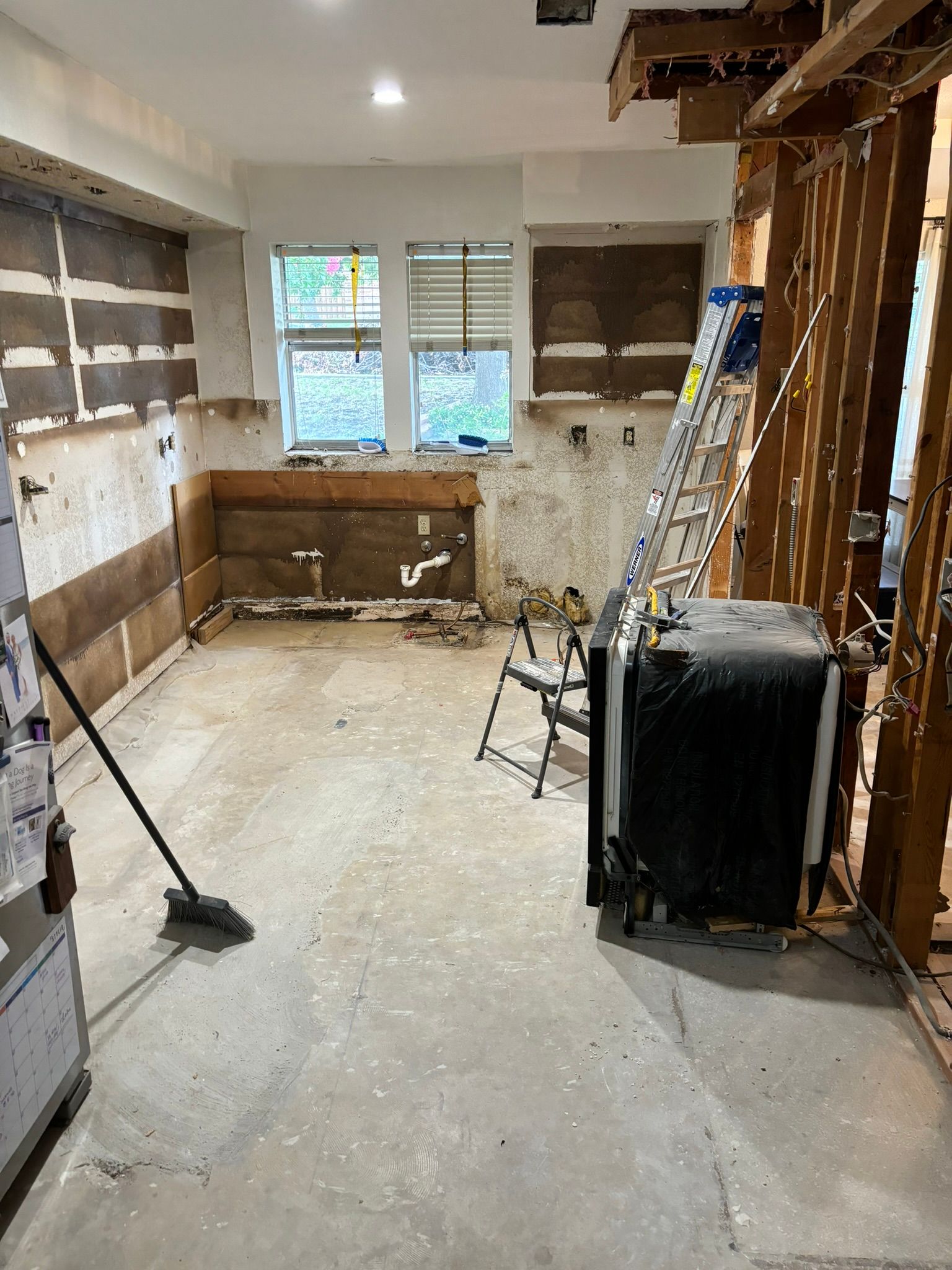
Don’t wait to transform your home into a space you’ll love. Southern Reconstruction Group is here to handle every detail with skill and dedication.


